Portrait of Waiting
What might appear when we give an image our time?
Thesis research, interaction concept,
TouchDesigner prototyping
Webcam / TouchDesigner
Display or projection
2026
MFA thesis · In progress
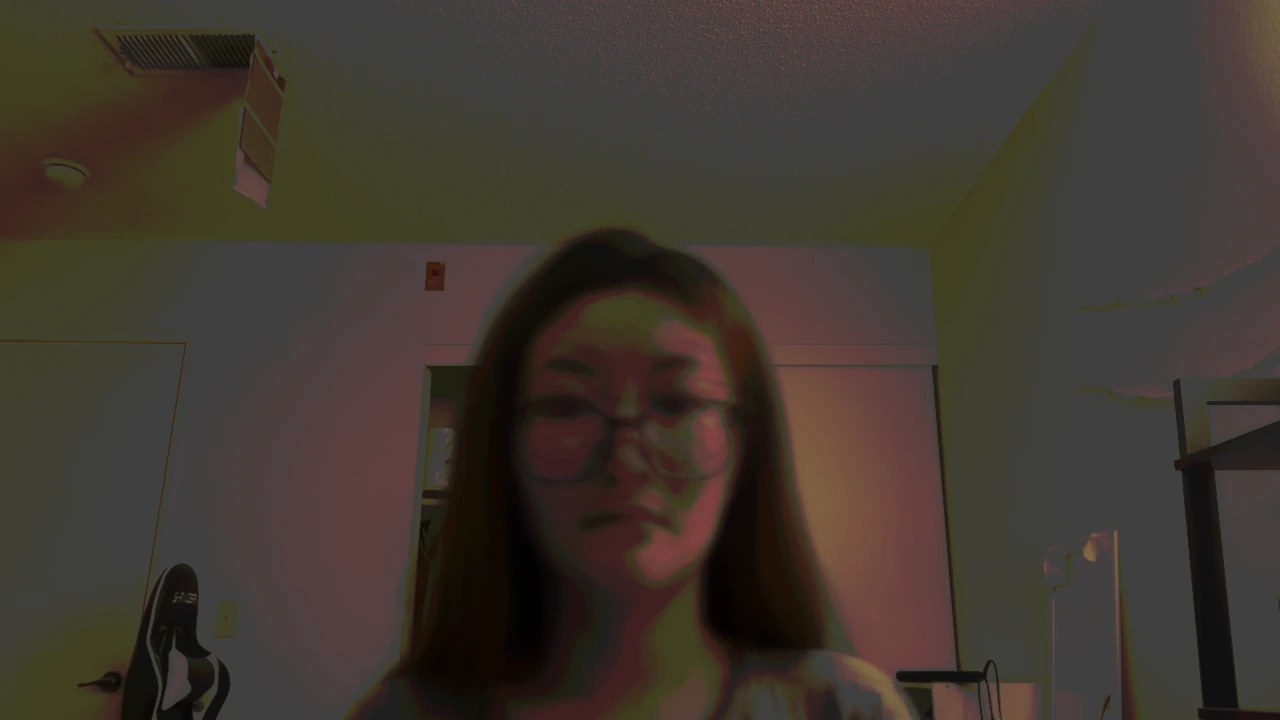
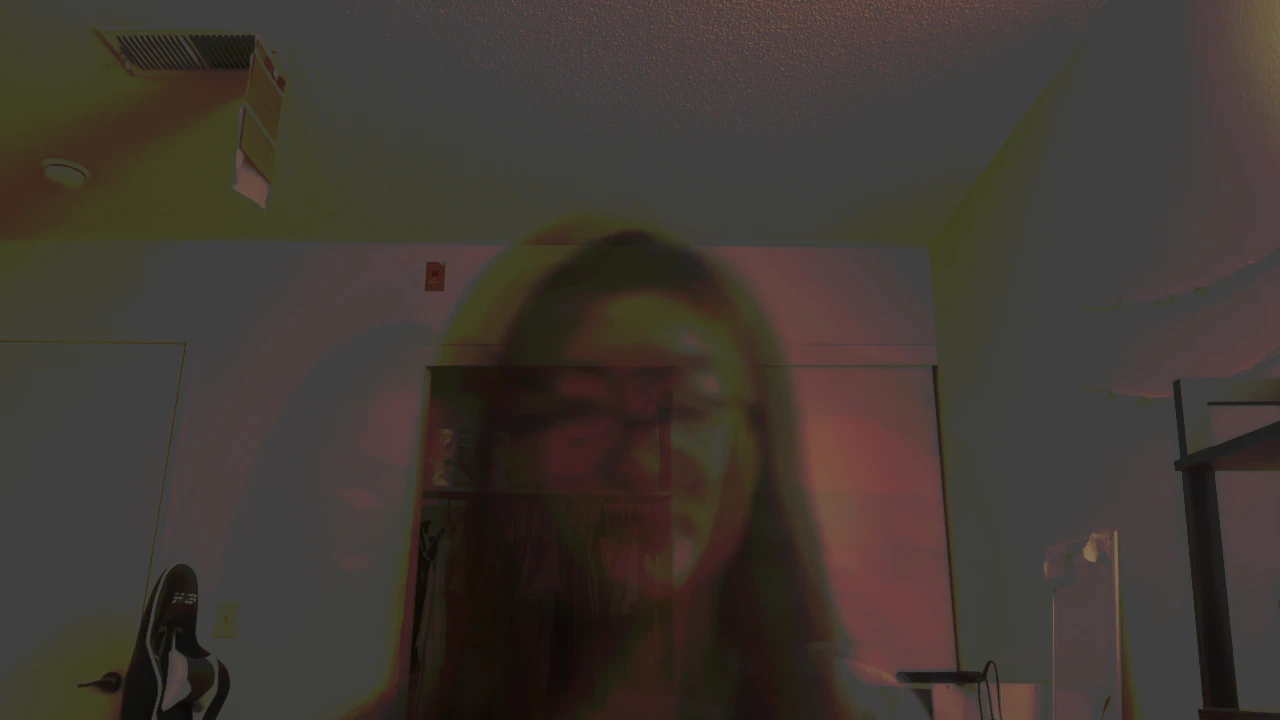 Current prototype / 60-second accumulation tests
Research question
Designing for waiting, rather than removing it.
My thesis asks how interaction design might reward slowing down and staying present. Waiting becomes the material for the experience: a duration in which attention, anticipation, and small bodily changes become noticeable.
Portrait of Waiting moves that question into a camera-based installation. The intended experience is a portrait that grows with stillness and dissolves when the visitor moves.
Intended interaction
Your presence changes the image.
A visitor stands in front of a webcam. In the proposed walk-up experience, a single guiding line invites them to remain. A generative portrait gradually appears; movement interrupts its formation.
The setup uses a laptop, webcam, and screen or projector. This keeps the interaction close to the body and the image, with minimal additional hardware.
Research through making
From pacing on a screen to presence in a room.
Can an Interface Feel? An early comparison of anxious, fast and calm, slow interfaces investigated how pacing and motion shape an experience.
Stay. A screen experiment used stillness and a gradual reveal to ask what viewers notice when they stop acting.
Portrait of Waiting. The current direction brings the visitor’s own image into the experiment, connecting duration to a portrait formed over time.
Current prototype
A one-minute portrait can already be saved.
The current local prototype includes a sixty-second image-accumulation branch and automatic image export. These test outputs provide a concrete starting point for evaluating how movement leaves traces over time.
Stillness-driven reveal and movement-triggered dissolution are the next parts of the installation to validate. The current exports show the accumulation test.
The image exports shown here are prototype documentation. Physical printing is a possible extension, not an installed feature.
Next evaluation
When does waiting become an invitation?
The next study should examine whether visitors understand how their body affects the portrait, whether the image appears gradually enough to sustain curiosity, and whether movement-triggered fading feels responsive rather than punitive.
Stillness thresholds, image legibility, reset behavior, and the accessibility of remaining still are central design questions. These questions will guide the next prototype and visitor study.